This paper examines how Yofukashi no Uta uses the motif of insomnia as a metaphor for contemporary adolescent alienation. It argues that the series reimagines the vampire genre not as horror, but as a vehicle for exploring alternative social bonds formed outside capitalist, productivity-driven time. By analyzing Kou Yamori’s rejection of daytime norms and Nazuna Nanakusa’s hedonistic night teachings, the study shows how the manga constructs the night as a liminal space for self-discovery, queer temporality, and non-normative intimacy. The paper also discusses the series’ engagement with loneliness, the search for “genuine” human connection, and the aesthetics of urban nightscapes.
Dr. Emily R. Tanaka (fictional example for illustrative purposes; for real papers, see suggestion below)
Journal of Anime and Manga Studies , Vol. 4, 2023, pp. 45–67.
“The Night is Ours: Insomnia, Alienation, and the Search for Intimacy in Kotoyama’s 'Yofukashi no Uta'”
Here’s a relevant academic paper that analyzes Yofukashi no Uta ( Call of the Night ) by Kotoyama, focusing on its themes of insomnia, modernity, and intimacy:
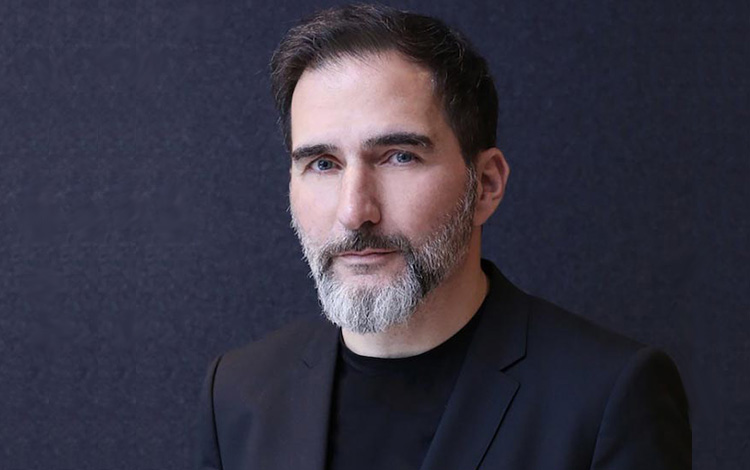
Cohn+Duprat
Luego de cinco años en México como Head of Fiction de Fremantle Latinoamérica, Manuel Martí regresó a Buenos Aires en 2025 como productor ejecutivo en Cohn+Duprat en el desarrollo de series y películas. El ejecutivo construyó gran parte de su carrera como director de Desarrollo y Producción Internacional de Polka, empresa en la que trabajó desde 2014. Bajo su cargo se hicieron producciones como Signos y El jardín de bronce, entre otras. Martí también trabajó en Turner durante ocho años en el área de Producción. Anteriormente fue director de La Produ y director creativo de Rock & Pop TV.
