
Ресторан локальной кухни
и открытого огня по рецептам XIX века

Ресторан локальной кухни
и открытого огня по рецептам XIX века
Remarkably, Japan’s most ancient entertainments are thriving alongside YouTube and TikTok. theater, with its exaggerated makeup and stylized movements, now runs live screenings in cinemas with English subtitles. Rakugo (comic storytelling) has found new life in popular anime like Jungle Emperor Leo and Showa Genroku Rakugo Shinju . This preservation isn't nostalgic; it is active innovation. For instance, traditional taiko drumming groups incorporate electronic music, while geisha districts in Kyoto now host intimate digital art exhibitions. The cultural concept of kisetsukan (a sensitivity to seasons) remains visible—from the cherry blossom motifs in idol costumes to the autumn themes in seasonal variety shows.
What outsiders often find surprising is the industry’s unspoken rules. Talent agencies like Johnny & Associates (for male idols) or large production committees enforce strict copyright laws—making Japanese TV clips famously rare on YouTube. Variety shows rely heavily on telebari (on-screen text commentary) and exaggerated reaction shots, creating a chaotic, high-energy aesthetic that feels alien to Western slow TV. Furthermore, privacy is paramount; paparazzi culture is weak, but fan etiquette is strict—photographing idols without permission or waiting at airports is considered a grave taboo.
Anime is Japan’s most visible cultural export, but its narrative DNA is uniquely local. Series like Demon Slayer or Spirited Away are saturated with Shinto and Buddhist concepts—respect for ancestors, the sacredness of nature, and the blurry line between good and evil. The industry operates on a meticulous "media mix" strategy: a manga runs in a weekly magazine, followed by an anime adaptation, video games, collectible figures, and live-action stage plays ( 2.5D musicals ). This ecosystem doesn’t just sell a story; it creates a total immersion world where fans express loyalty through oshi (a personal "favorite" character or member).
At the heart of modern Japanese pop culture lies the "idol" system. Unlike Western celebrities who often emphasize distance or unattainable talent, Japanese idols (like those from AKB48 or Nogizaka46) are marketed on the concept of "accessible growth." Fans don’t just watch performances; they participate in handshake events, vote in general elections, and watch their favorites struggle and improve in real-time. This model is deeply rooted in the Japanese value of ganbaru (perseverance), transforming entertainment into a shared, emotional journey. It’s not just about the final song; it’s about the effort, the tears, and the community.
Japan’s entertainment industry is a fascinating paradox—a seamless blend of ancient aesthetic principles and hyper-modern technological spectacle. To understand its global appeal, one must look beyond the surface of anime and J-Pop and into the cultural philosophies that drive them: kawaii (cuteness), wabi-sabi (the beauty of imperfection), and a relentless pursuit of craftsmanship known as monozukuri .
The industry is not without its struggles. The "black box" system of production committees often leaves animators underpaid despite billion-dollar franchises. Pressure on idols to remain "pure" (often through no-dating clauses) clashes with modern mental health awareness. Yet, change is coming. Streaming services like Netflix and Crunchyroll are forcing distribution reforms. Virtual YouTubers (VTubers) like Kizuna AI have created a new, anonymous path for entertainers, blending live-streaming with avatar culture—a perfectly modern twist on the traditional Japanese love for puppetry ( bunraku ).


О нас
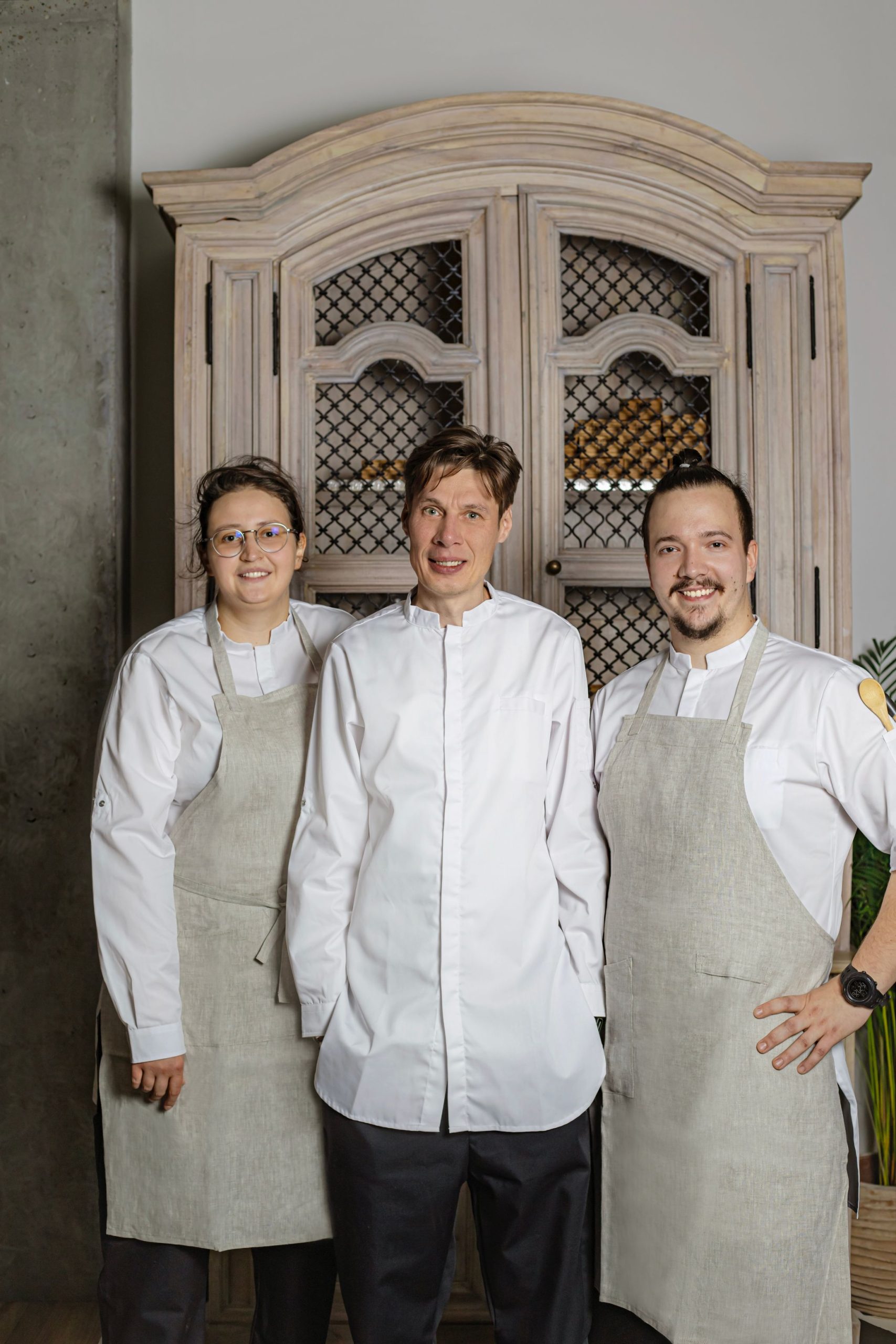
Ресторан «19» - давняя мечта известного нижегородского шефа Александра Николаенко, который совместил в новом проекте любовь к необычным локальным продуктам и традиции XIX века. Searching for- jav in-



Меню
Кухня «19» - современное живое прочтение
национальной гастрономии в контексте
современных представлений о вкусе.
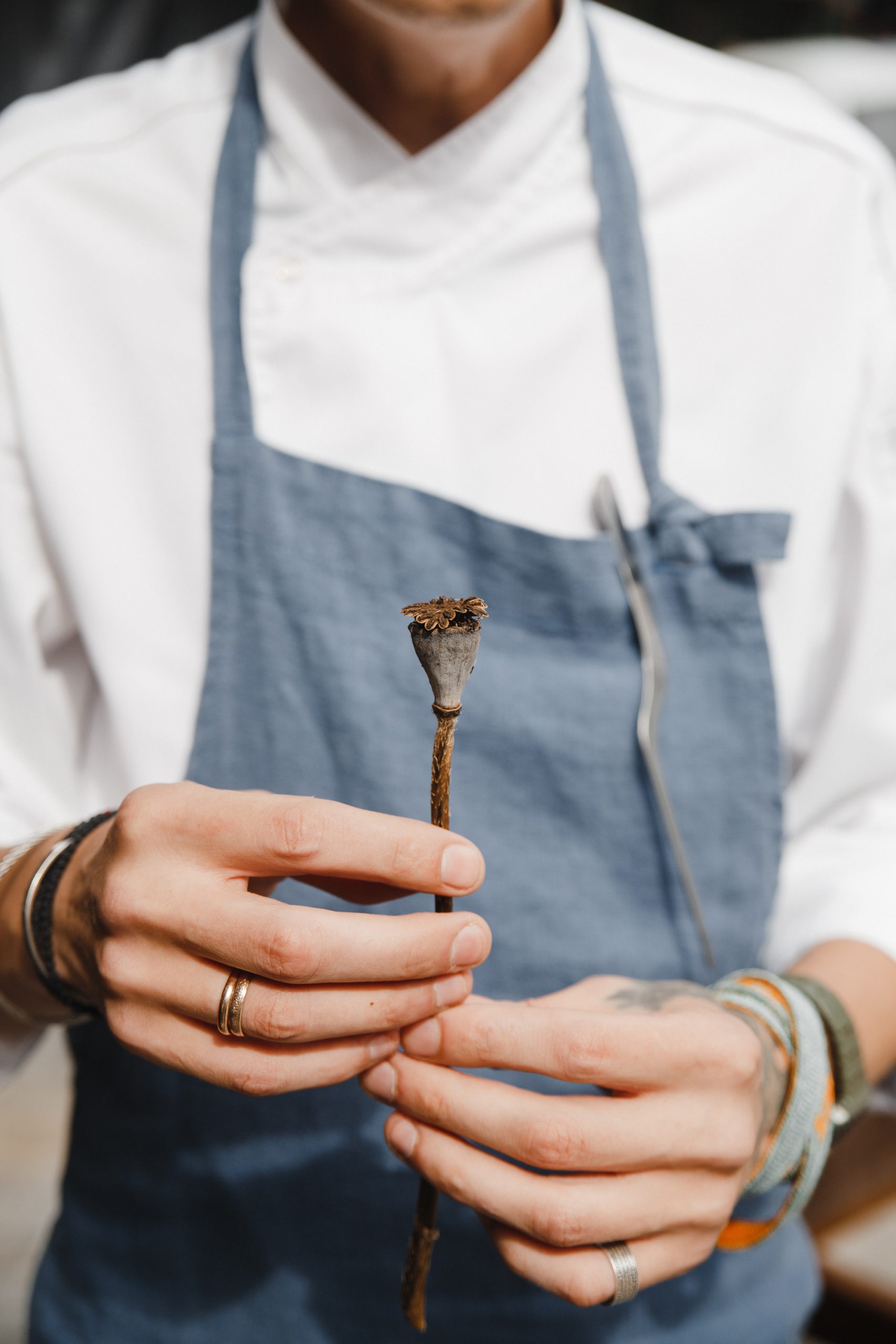
Александр переосмыслил для меню более 50 рецептов из старинной поваренной книги, адаптировав их под современное
оборудование.
Пылающим сердцем ресторана является
большой открытый гриль, дающий возможность готовить в печи и на углях. This preservation isn't nostalgic; it is active innovation




История
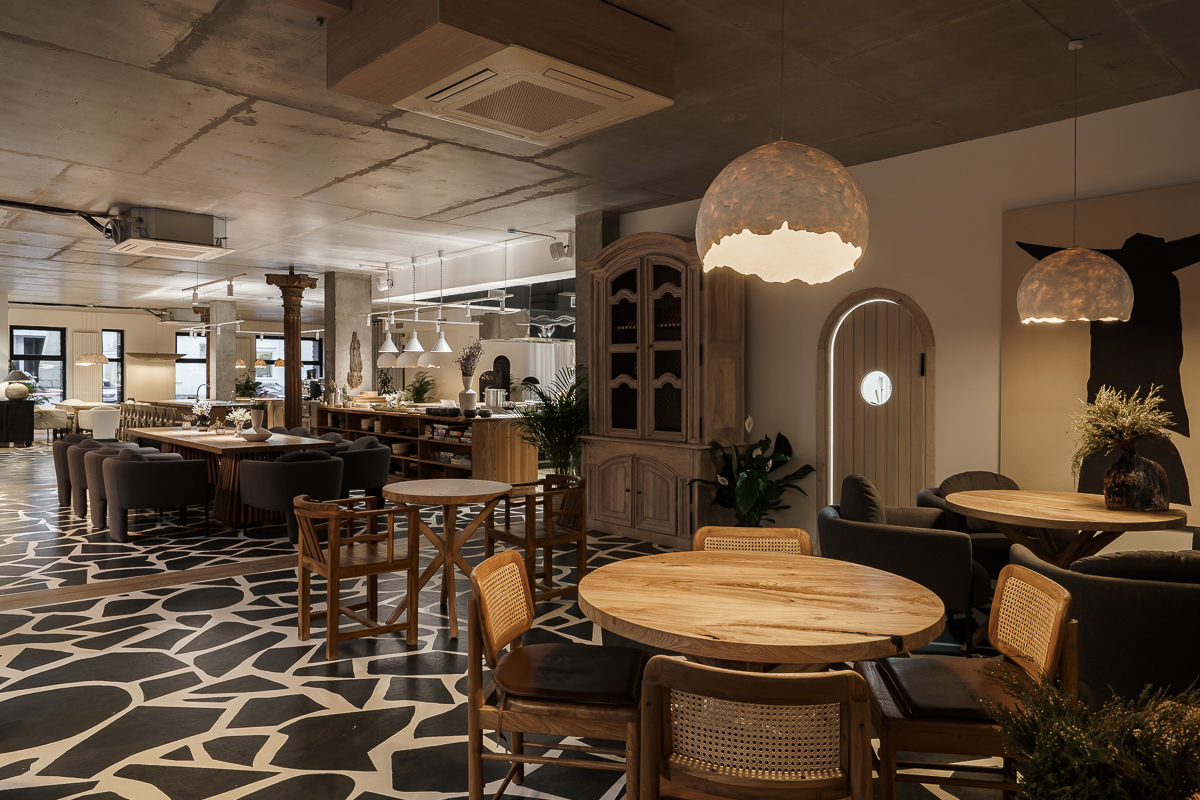
Идея нового заведения оформилась в тот момент, когда Александр нашел антикварном магазине кулинарную книгу, изданную в Москве в 1898 году — с незаслуженно забытыми сегодня рецептами.
Рецепты конца XIX века отражают, как формировалась философия русской кухни — на стыке традиции и новых веяний, которые привезли в Россию иностранные шеф-повара. Популярные в других странах рецепты и технологии трансформировались под влиянием местных продуктов, сезонов, особенностей заготовки.
Керамическую посуду специально для «19» лепили и обжигали по эскизам Николаенко несколько небольших мануфактур. What outsiders often find surprising is the industry’s


