Looking for inspiration
Little Small Girls Xxx Sex Movie With Old Means May 2026
The modern era has fully embraced the "little small girl" as an action hero. The most striking example is Hit-Girl from Kick-Ass , a pre-teen who dispatches armed criminals with brutal efficiency. Similarly, Eleven from Stranger Things subverts the damsel trope by possessing god-like telekinetic powers, using her small, often bloodied frame to battle otherworldly monsters. This shift represents a powerful cultural fantasy: the idea that the most underestimated demographic—the young girl—holds the key to salvation. Movies like The Hunger Games (with a teenage but physically unimposing Katniss) and The Mitchells vs. The Machines (with the quirky, tech-savvy Katie) argue that ingenuity, courage, and emotional intelligence can compensate for physical stature.
Yet, herein lies the critical contradiction. Even in narratives that grant these girls immense power, the visual and thematic framing often reinscribes traditional expectations. Consider the "manic pixie dream girl" sub-archetype for younger characters: the quirky, small girl who exists primarily to inspire a male lead or teach a cynical adult a lesson about joy (e.g., young characters in ensemble comedies like Elf ). Furthermore, the physical appearance of these heroines is rarely allowed to stray far from conventional beauty standards. Even when covered in dirt or battle scars, the lead "little small girl" is almost always conventionally cute, with large eyes, symmetrical features, and a slender frame. Characters who deviate—such as the brilliant but awkward Mei Lee from Turning Red or the loud, unapologetic Pippi Longstocking—are often framed as chaotic exceptions rather than the rule. The underlying message is troubling: a girl may be powerful, but only if she remains aesthetically pleasing and emotionally palatable. Little Small Girls Xxx Sex Movie With Old Means
Historically, the "little small girl" in media was defined by her passivity and moral purity. Disney’s early princesses, such as Snow White and Cinderella, were physically delicate and socially powerless until rescued by a male figure. Their smallness was literal—a visual cue for a lack of agency. They were not protagonists who drove the plot but rather objects of conflict to be protected. This trope reinforced a Victorian-era ideal that a girl’s virtue was tied to her physical and social diminutiveness. However, as the feminist movement evolved, so too did the archetype. By the late 20th century, characters like Kevin McCallister’s resourceful counterpart in Home Alone or the brave Miette in A Little Princess began to weaponize their smallness, using their perceived insignificance to outwit adults and overcome systemic barriers. The modern era has fully embraced the "little
In the vast landscape of popular media, few archetypes are as enduring, and as quietly contradictory, as the “little small girl.” From Dorothy Gale’s ruby-slippered journey down the Yellow Brick Road to the super-powered yet socially anxious heroines of animated blockbusters like Turning Red or Nimona , the image of the young, physically small female protagonist is a staple of movie entertainment. While these characters often serve as vessels of innocence and vulnerability, a deeper analysis reveals a more complex reality: popular media simultaneously celebrates the power of the “little small girl” while constraining her within a framework of traditional femininity, creating a paradoxical model for young audiences. This shift represents a powerful cultural fantasy: the

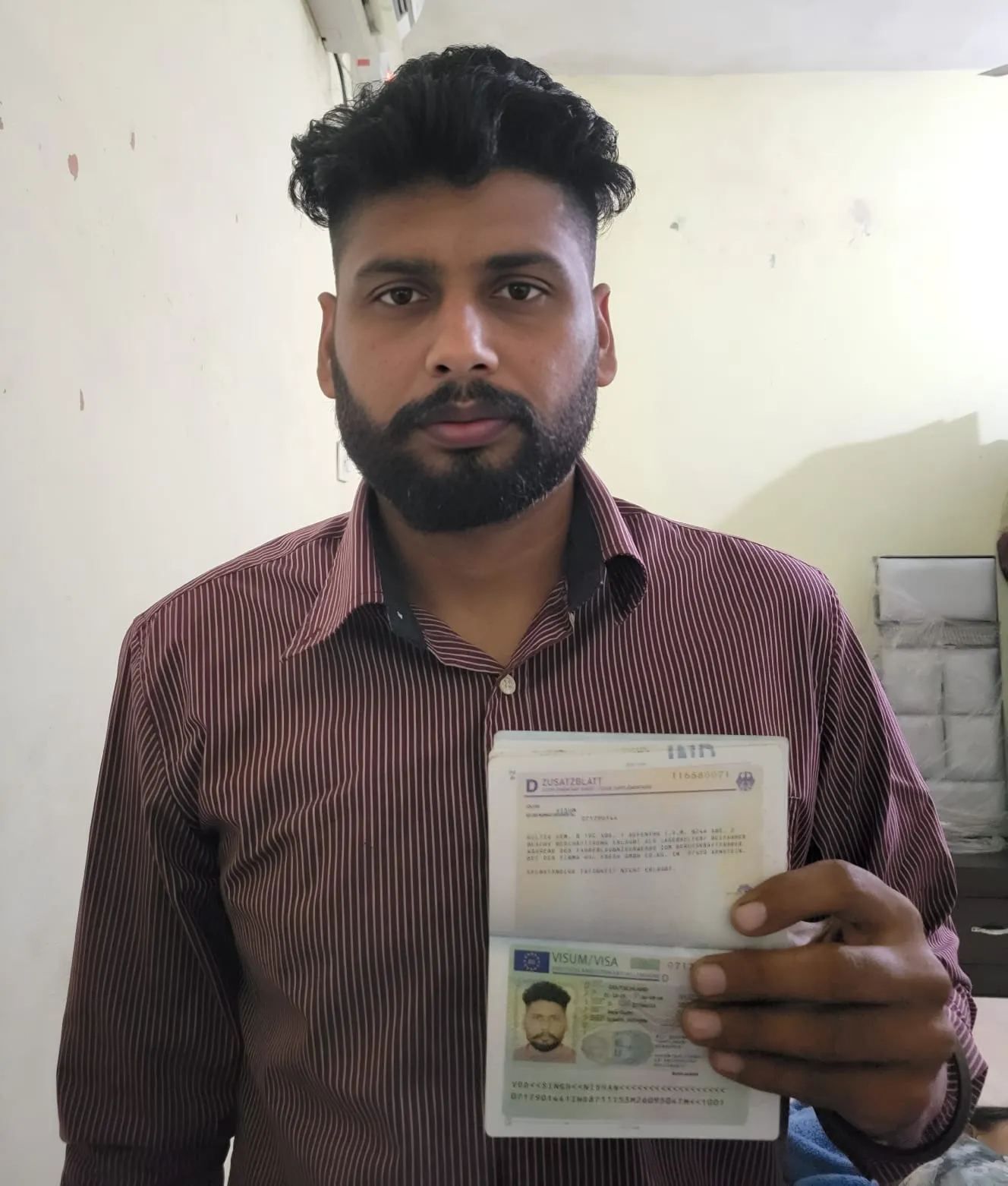


At AtoZ Serwis Plus, we help you become a global citizen with trusted support for jobs abroad, overseas education, and visa processing tailored to your goals.
Read More
1000+Visa Success

1M+ Guided

Experts

Offices

Online Services
Our Solutions
Connecting employers, job seekers, students, and agencies across Europe and beyond.

Register as an Employer Partner!
Looking to hire skilled or semi-skilled workers from Asia, Africa, the CIS, or EU countries? AtoZ Serwis Plus supports your recruitment needs for Poland, Germany, Slovakia, Hungary, Lithuania, Estonia, and beyond. We deliver comprehensive legal recruitment services, visa support, and seamless onboarding solutions tailored to your business goals. Partner with us to build a reliable, compliant, and efficient workforce.
Employer
Job Seekers Registration!
Looking to hire skilled or semi-skilled workers from Asia, Africa, the CIS, or EU countries? AtoZ Serwis Plus supports your recruitment needs for Poland, Germany, Slovakia, Hungary, Lithuania, Estonia, and beyond. We deliver comprehensive legal recruitment services, visa support, and seamless onboarding solutions tailored to your business goals. Partner with us to build a reliable, compliant, and efficient workforce.
Job Seekers
Register as a Recruitment Partner!
Are you a recruiter looking to place workers in Poland, Germany, Slovakia, or other EU destinations? AtoZ Serwis Plus provides you with trusted employer connections, legal recruitment solutions, verified job placements, and full visa assistance. Expand your recruitment business with confidence, supported by clear processes, reliable documentation, and transparent migration services.
RecruiterDo you have any questions?
Looking to work and live in Europe? At AtoZ Serwis Plus, we’re here to guide you every step of the way. Our experts provide support with job search assistance, work visa applications, qualification recognition, and European language learning. To connect with us and get started on your European journey, click one of the contact icons below.






