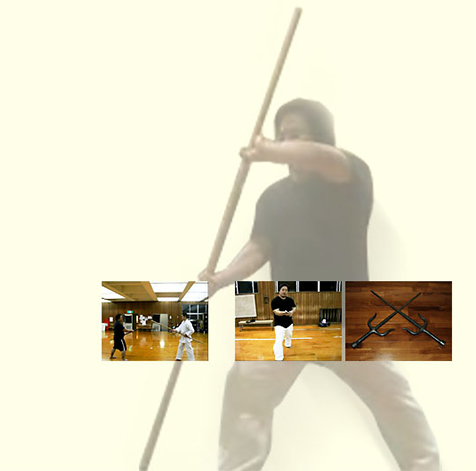
Okinawa-kenpo is a karate style which has been developed based on ancient Okinawan martial arts called "Ti". Its technique and thought were studied and refined by a Tomari-te master, Shinkichi Kuniyoshi (also known as "BUSHI" Kuniyoshi) and passed down to Grand Master Shigeru Nakamura, the founder of Okinawa-kenpo. Grand Master Nakamura opened his own dojo "Okinawa-kenpo Karate-do Shurenjo" at Onaka, Nago city and taught his art of karate.
Written in Japanese.
Japanese fonts required to view this contents
"Okinawa-kenpo" was founded by Grand Master Shigeru Nakamura in 1960 as an association of diverse dojos based on his belief "there is no Ryuha in Okinawa karate".
Participation to a competition in Kyushu as "The All Japan karate-do Federation, Okinawa District" was how it all started. Nakamura felt how strong Japanese karate organization was at the competition and worried about the future of Okinawa karate.
Then, he appealed to all karate-ka in Okinawa for participating to the movement of "Okinawa-kenpo".
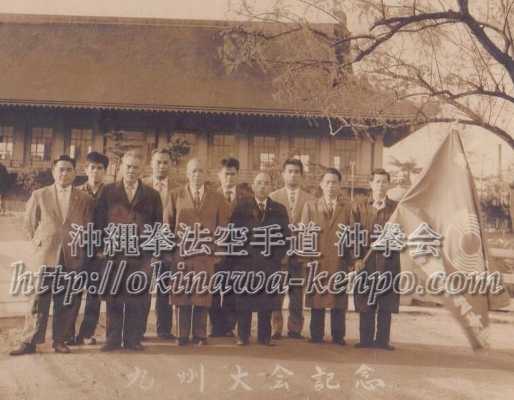
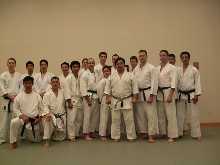
Upper row (left to right): 2nd from left, Komei Tsuha,Hiroshi Miyazato, Toshimitsu Kina
Bottom row (left to right): 2nd from left, Shigeru Nakamura, Shinsuke Kaneshima, Zenryo Shimabukuro
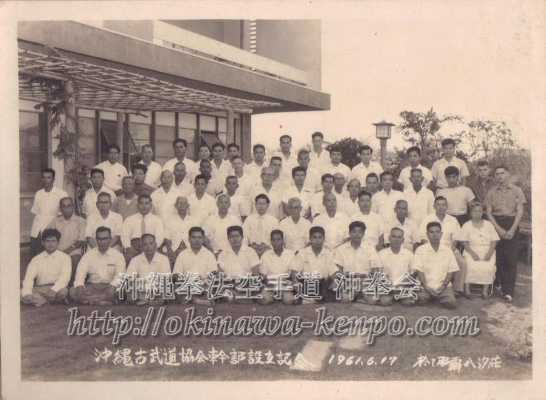
Upper row (left to right): (3rd from left) Kamaichi Nohara, Shinei Kaneshima, Tatsuo Shimabuku, (10th from left) Masami Chinen, Zenryo Shimabukuro
Middle row (left to right): (3rd from left) Shinei Kyan, Shosei Kina, Shinsuke Kaneshima, Seitoku Higa, (8th from left) Seiyu Nakasone, Kenko Nakaima
Bottom row (left to right): Hiroshi Miyazato, Komei Tsuha, (9th from left) Shigeru Nakamura, Joen Nakazato
In June 17, 1961, karate masters from all over Okinawa gathered at Yashio-so, Naha city. At this meeting, they had a discussion about the unification of Okinawa karate and finally came to endorse it (Establishing of Okinawa Kobudo Kyokai).
After Nakamura's passing, the group fell apart. However, Okinawa karate advanced to an era of great development.
Each karate style goes on its own way, and Okinawa-kenpo has become the name of the style which was taught and practiced by the students of Grand Master Nakamura.
Various Ryuha participated in the movement of "Okinawa-kenpo".
Mostly, they were from "The All Japan karate-do Federation, Okinawa District" and "Okinawa Kobudo Kyokai". Exchange of techniques was widely performed among them.
After the death of Nakamura, Okinawa-kenpo was divided into several groups.
Each group inherited Nakamura's will and techniques and developed Okinawa-kenpo in their own way.
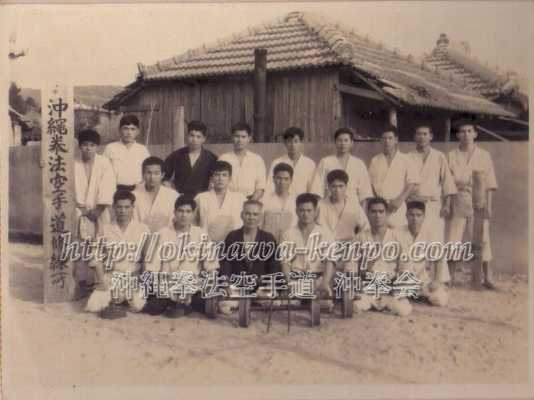
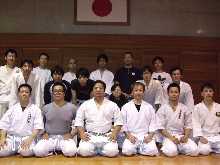
Bottom row, 3rd from left, Grand master Shigeru Nakamura, Shihan-dai Hiroshi Miyazatoo, Toshimitsu Kina
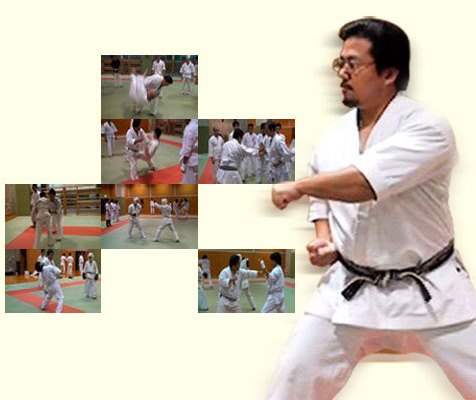
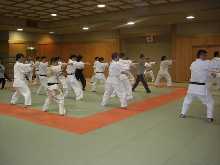
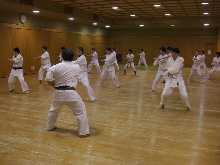
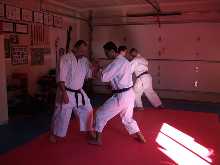
Old style karate techniques and training methods still remain in our system. We train with those methods, which are rarely seen in other Ryuha these days.
Tanren-hou (Training method)
Okinawa-sumo (traditional Okinawan wrestling)
Torite (grabbing)
Buki-jutsu (weapons)
Our techniques, from empty hands to weapons,are incorporated in a coherent system and consist of common basic skills.
Historically, Okinawa-kenpo inherited various Kata.
The following is a list of kata which are practiced at Okinawa-kenpo Karate-do, Oki-ken-kai
Karate
Weapons
If you're a fan of survival dramas, inspiring true stories, or simply great filmmaking, "127 Hours" on Isaidub is a must-watch. Experience the thrill of Aron Ralston's journey and discover the strength of the human spirit in the face of adversity.
For 127 hours (over 5 days), Ralston endured extreme physical and mental hardships, including dehydration, exposure to the elements, and the constant threat of death. In a desperate bid to free himself, he took a drastic measure – amputating his own arm using a dull multi-tool. Ralston then rappelled down a 65-foot wall and walked for miles to find help.
The availability of "127 Hours" on Isaidub caters to a broader audience, especially those who prefer watching movies in Tamil. The film's themes of survival, perseverance, and self-discovery are universal and transcend language barriers. By providing a Tamil dubbed version, Isaidub ensures that more people can experience and appreciate this inspiring true story. 127 hours isaidub
Aron Ralston, an American outdoorsman and adventure-seeker, was on a solo hike in the Blue John Canyon in Utah on May 5, 2003. While navigating through a narrow slot canyon, a boulder became dislodged, pinning Ralston's right arm against the canyon wall. With no one around to help him, Ralston was trapped, and his only hope for survival lay in his own resourcefulness.
The film, directed by Danny Boyle, stars James Franco as Aron Ralston. The movie meticulously recreates Ralston's harrowing experience, showcasing Franco's impressive physical transformation and emotional depth. The film's intense and immersive storytelling, coupled with its stunning cinematography, garnered widespread critical acclaim. If you're a fan of survival dramas, inspiring
The 2010 biographical survival drama film "127 Hours" directed by Danny Boyle, left an indelible mark on the hearts of audiences worldwide. Based on the true story of Aron Ralston, a mountain climber who found himself trapped in a canyone in Utah, the film showcased the human spirit's capacity for survival and self-discovery. For Tamil movie enthusiasts, the film's availability on Isaidub, a popular platform for Tamil dubbed movies, has made it accessible to a wider audience. In this article, we will delve into the story behind "127 Hours," its critical acclaim, and the convenience of watching it on Isaidub.
For Tamil-speaking audiences, Isaidub has made "127 Hours" accessible through its Tamil dubbed version. Isaidub, a popular online platform, provides a vast collection of Tamil dubbed movies, including international films like "127 Hours." The website's user-friendly interface and high-quality video streaming make it an attractive option for movie enthusiasts. In a desperate bid to free himself, he
"127 Hours" received several Academy Award nominations, including Best Picture, Best Director, and Best Actor for Franco. The film also won the 2011 Golden Globe Award for Best Actor in a Motion Picture – Drama.
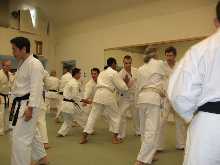
We, Okinawa-kenpo Karate-do Oki-Ken-Kai, work on in a unit called "Keiko-kai".
is a group of like-minded people to practice Okinawa-kenpo any time and anywhere.
Today, there are Keiko-kai in eight region Japan;
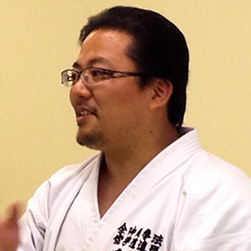
Shihan Yamashiro visits each Keiko-kai regularly, trains them, and conducts open seminars.


Shihan Yamashiro has been invited by masters of other styles, and conducted seminars regularly.


He started practicing karate when he was little with his father, Tatsuo Yamashiro, who inherited "Ti" from Hiroshi Miyazato.
He won 1st place at "All Okinawa Full Contact Fighting with Bogu Gear Tournament" in 1992 and 1993,
Written in Japanese.
Japanese fonts required to view this contents